
What Does "As-Is" Mean When Buying a Home? | Homebuyer Guide
"I tell my buyers not to worry if it's "As-Is". Sellers have to repair if it's for the loan." - Jen Corso

What Does "As-Is" Mean When You're Buying a Home?
If you've been searching for homes, you've probably come across a listing that says a property is being sold "as-is."
For many buyers, those two words can raise questions—or even concerns.
Does it mean the house is falling apart? Are inspections allowed? Can you still negotiate repairs?
The good news is that "as-is" doesn't always mean a home is a bad investment. It simply means buyers should understand exactly what they're getting into before making an offer.
If you're buying a home in or around the Chicago Suburbs, here's what "as-is" really means and what you should know before moving forward.
Quick Answer: What Does "As-Is" Mean?
When a home is sold "as-is", the seller is stating that they do not intend to make repairs or improvements before closing.
The buyer agrees to purchase the property in its current condition.
However, this does not necessarily mean:
The home has major problems
Inspections are prohibited
You can't negotiate
The property won't qualify for financing
Every situation is different.
Why Would a Seller List a Home As-Is?
There are many reasons a seller may choose to sell a property "as-is".
Common reasons include:
➡️The Seller Doesn't Want to Make Repairs
The seller may not have the time, money, or desire to fix issues before selling.
➡️The Home Is Part of an Estate Sale
Inherited properties are frequently sold as-is because family members may not know the condition of the home.
➡️The Seller Has Already Priced Repairs Into the Asking Price
Sometimes sellers know the property needs updates and have adjusted the price accordingly.
➡️The Seller Wants a Faster Sale
Selling "as-is" can simplify the transaction and reduce negotiations.
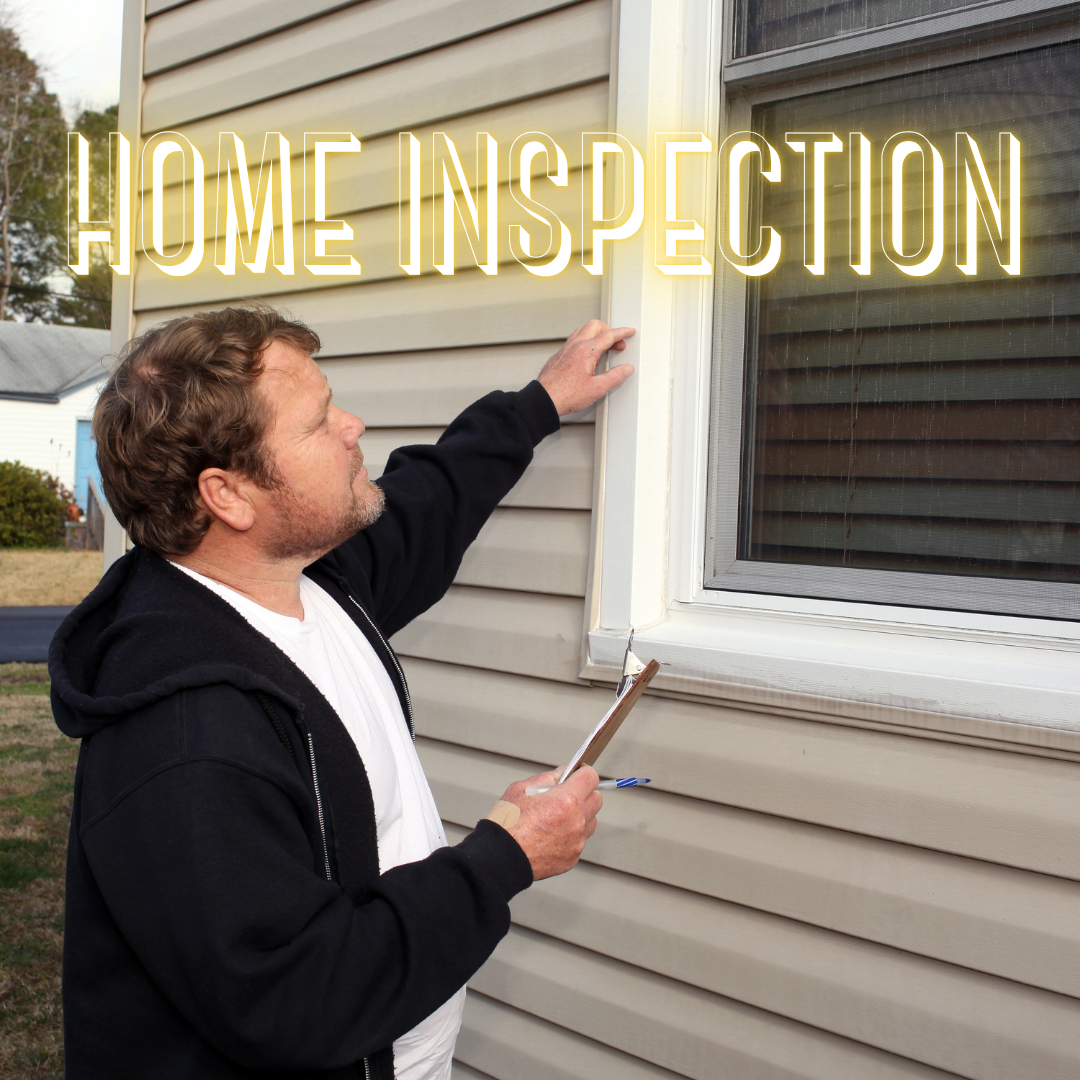
Can You Still Get a Home Inspection?
Absolutely.
In fact, if you're considering an as-is property, a home inspection becomes even more important.
A professional inspection can uncover:
Roof issues
Electrical concerns
Plumbing problems
Foundation issues
HVAC system deficiencies
The inspection helps you understand what repairs may be needed now and in the future.
Never assume "as-is" means you should skip the inspection.
Can You Still Negotiate?
Many buyers believe that as-is means there can be no negotiations.
That's not always true.
While the seller may not want to make repairs, buyers can sometimes negotiate:
A lower purchase price
Seller credits toward closing costs
Extended closing timelines
Other contract terms
Every seller and situation is different.
Does "As-Is" Mean Something Is Wrong With the Home?
Not necessarily.
Some "as-is" homes are in excellent condition.
Others may simply need cosmetic updates such as:
Paint
Flooring
Landscaping
Kitchen modernization
However, some "as-is" properties do have significant repair needs, which is why inspections and professional guidance are so important.
Can You Get a Mortgage on an As-Is Home?
In many cases, yes.
However, lenders generally require homes to meet minimum safety and livability standards.
Issues that may create financing challenges include:
Significant structural damage
Major roof problems
Safety hazards
Missing mechanical systems
If the home has extensive issues, certain loan programs may not approve financing until repairs are completed. An FHA loan is a little stricter than a Conventional loan. For example, there has to be working mechanical such as furnace and appliances.

Pros of Buying an As-Is Home
👍Potentially Less Competition
Some buyers avoid "as-is" properties, which may create opportunities for others.
👍Lower Purchase Price
Properties sold "as-is" are sometimes priced below comparable homes.
👍Opportunity to Build Equity
Buyers willing to make improvements may increase the home's value over time.
👍Faster Closing Process
With fewer repair negotiations, transactions can sometimes move more quickly.
Cons of Buying an As-Is Home
👎Unexpected Repairs
Even after inspections, surprises can happen.
👎Higher Upfront Costs
You may need to budget for repairs immediately after closing.
👎Financing Challenges
Certain repair issues can affect mortgage approval.
👎More Risk
Buyers assume greater responsibility for the property's condition.
Questions to Ask Before Buying an As-Is Home
Before making an offer, consider asking:
Why is the home being sold "as-is"?
Have there been any major repairs recently?
Are there known defects?
How old are the roof, HVAC system, and major mechanical components?
Are seller disclosures available?
The more information you gather, the more confident your decision will be.
FAQ'S
Can a buyer back out after an inspection on an as-is home?
Often yes, depending on the inspection contingency and terms of the contract.
Should you buy a home that is being sold as-is?
It depends on the home's condition, your budget, and your willingness to handle repairs.
Can sellers hide problems when selling as-is?
No. Sellers are generally still required to disclose known material defects according to state laws.
Is an as-is home cheaper?
Sometimes, but not always. Buyers should compare the price to similar homes and estimate repair costs before deciding.
The Bottom Line
An "As-Is" home isn't automatically a good deal—or a bad deal.
It's simply a property being sold in its current condition without the seller agreeing to make repairs.
For some buyers, an as-is home can be a fantastic opportunity. For others, it may involve more work and expense than they're comfortable taking on.
The key is understanding the property's condition, getting professional inspections, and knowing exactly what you're buying before you sign on the dotted line.
If you're considering an "As-Is" home in or around the Chicago Suburbs, having an experienced real estate professional on your side can help you evaluate the risks and opportunities before making an offer.
Personally, when I show buyers homes with "As-Is", I don't worry too much. Sellers have to fix or should fix anything that the lender requires to help get the buyer a loan. Some examples are adding a railing to the front stairs for safety. Another example is fixing a hole in the wall or adding fire and CO2 detectors. I always suggest getting a home inspection. Even when sellers list their home "As Is", sometimes they will ignore the fact they did list the home "As-Is" and repair things. You never know until you ask.
When I've listed homes, many of my sellers want to just list "As-Is". Not because there is something wrong, but they don't have time to fix anything. They are usually trying to find a new home and sell at the same time. They are more worried about the time it takes to fix or repair than anything else. I always tell my sellers that sometimes from buyers' perspective it can look like there's something wrong with the home. If they are handy and have the time, then I tell them not to worry too much about listing it "As-Is". The sellers can always say no to repairs or credit buyers.
From the perspective of a buyer, they can see the home as having issues and being able to offer a lower purchase price. Having a good real estate agent that can navigate the pros and cons of buying a home being sold "As-Is". A good agent can also get to the bottom of why a seller is selling the home like that.
👉Check out this Blog:
"How Much Down Payment Is Required When Buying a Home?"
If you're considering buying or selling a home in or around the Chicago suburbs, understanding this step can make the process far smoother.
➡️Click Here to Schedule a FREE Consultation
🏠Get PRE-APPROVED TODAY!
The Author is Jennifer Corso - Realtor. This article is for educational purposes and based on Jennifer Corso’s professional experience.